
From Bench Concept to Verified Process: A Complete Modular Subcritical Water Extraction System for Lab & Pilot-Scale Testing
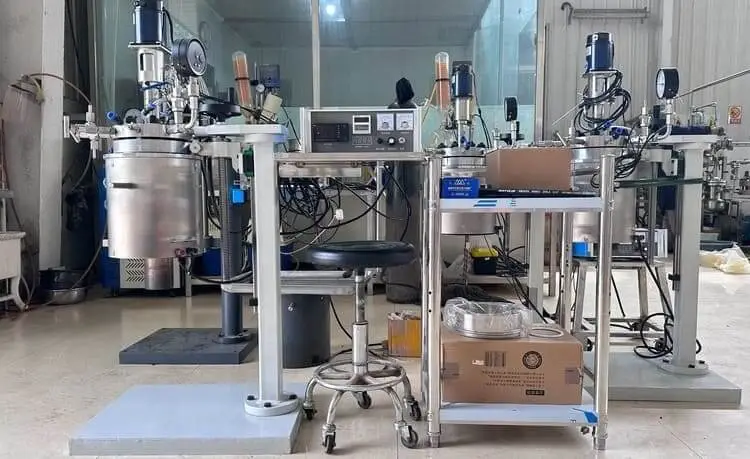
How a fully engineered, SS316L-built modular extraction platform helps R&D teams de-risk process development before commercial scale-up.
Single-Pass Molecular Distillation of Fish Oil Ethyl Esters: What 25 Tons/Day Actually Looks Like
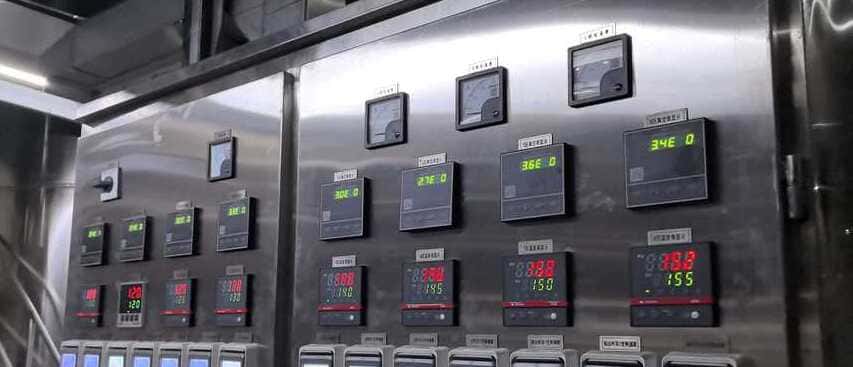
Single-pass short path molecular distillation of fish oil ethyl esters is not a magic bullet—it’s a highly efficient, high-recovery pre-concentration tool. 25 t/d is a sweet spot. At this industrial scale, which has been demonstrated to be most commercially cost-effective production line, you’re producing 8+ tonnes per day of enriched fraction.
Is Your Factory Burning Money? Why Solvent Recycling is the ROI Miracle You’ve Overlooked
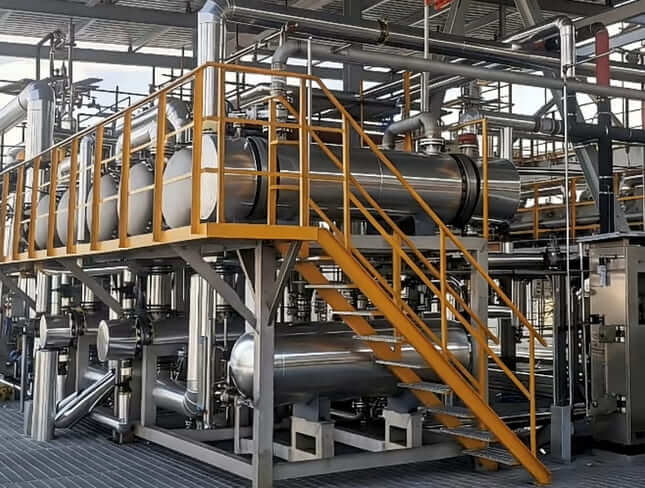
The transition from a “linear waste” model to a “circular process” is no longer a luxury—it is a requirement for competitive industrial operations. By integrating zeolite membrane technology, you stop viewing solvents as an expense and start managing them as a strategic asset.
Is your current waste management strategy optimized for maximum ROI, or are you still paying to dispose of your own assets?
The emergence of Zeolite Membrane Pervaporation (PV) technology represents a fundamental shift from “Waste Management” to Strategic Asset Recovery. By utilizing molecular sieving at the molecular level, manufacturers can transform a “waste” stream into a high-purity resource, reclaiming both the solvent and the capital previously lost to the linear disposal model.
Beyond the Boiling Point: The Industrial Power of Molecular Distillation
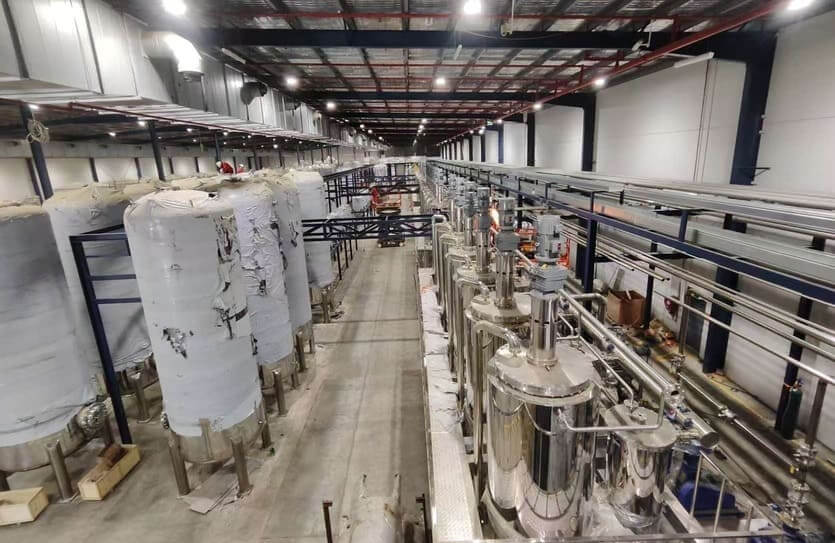
Innovator’s Note: By shortening the heating time to mere seconds, we drastically lower the probability of thermal decomposition, ensuring high efficiency without compromising material integrity.
Strategic Insight: The physical gap between the evaporator and condenser is a precisely engineered distance based on the calculated molecular motion of the target substance.
Innovator’s Note: This specific pumping sequence is not just about reaching depth; it is designed to maximize the service life of high-performance pumps by ensuring they only operate within their optimal pressure regimes.
The “Invisible” Industrial Revolution: When Membrane Technology Combines with Heavy Distillation
The Energy Crisis Behind the Scenes In the modern chemical facility, a silent energy crisis is hidden within the steam pipes. Traditional distillation, the thermal workhorse of the last century, is governed by a punishing “distillation dilemma”: achieving high purity requires an exponential increase in energy. In standard single-column processes, maintaining high reflux ratios to […]
5 Surprising Insights from the Frontier of Fish Oil Omega-3 Innovation
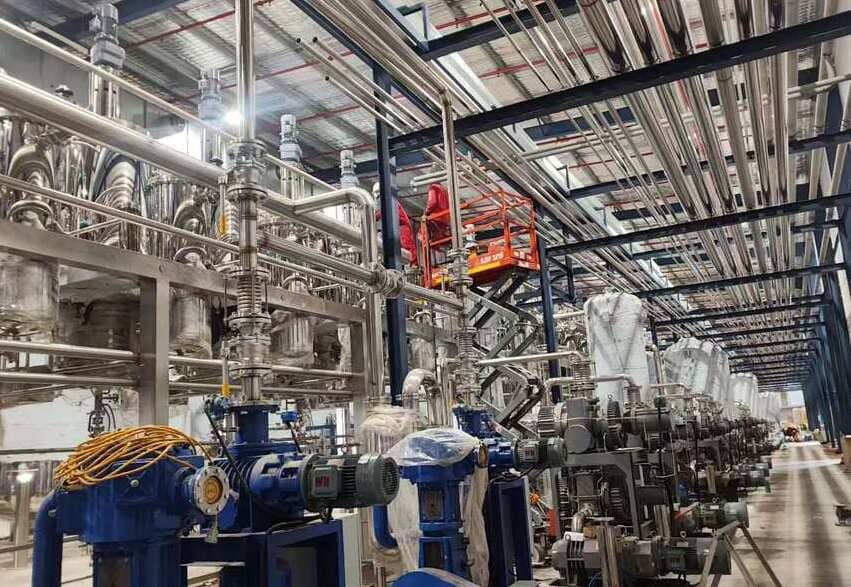
we see a fundamental truth of biotechnology: the quality of the final product is a direct function of the discipline applied to the feedstock.
By addressing “the work before the work,” our experienced engineers ensure the system remains protected, yielding a feedstock pure enough for the high-intensity stages to follow.
Restoring Efficiency and Securing the Future of Omega-3 Distillation
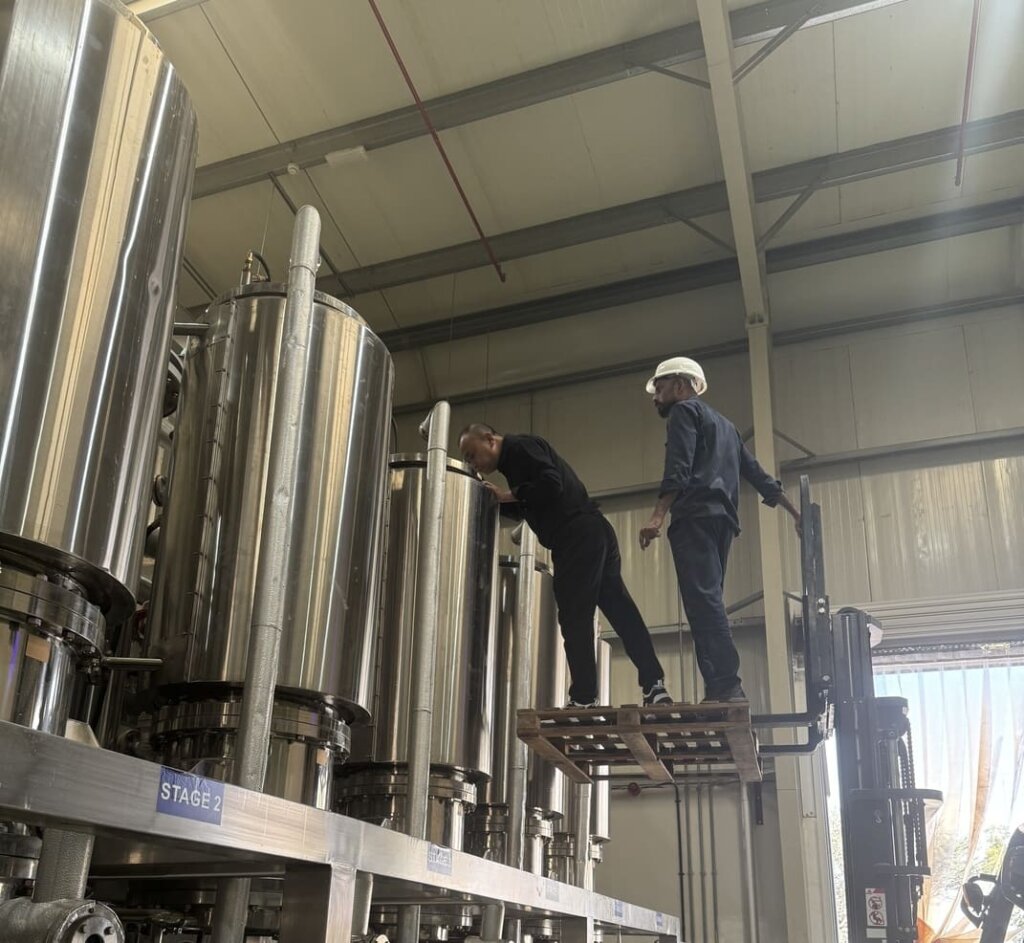
The real challenge—and the real cost competitive cutting edge know-how—lies in maintaining peak operational efficiency over years of continuous service.
Turning Complex Project Plans into a Solid Partnership: How We Work with Product Targeted Omega-3 Projects
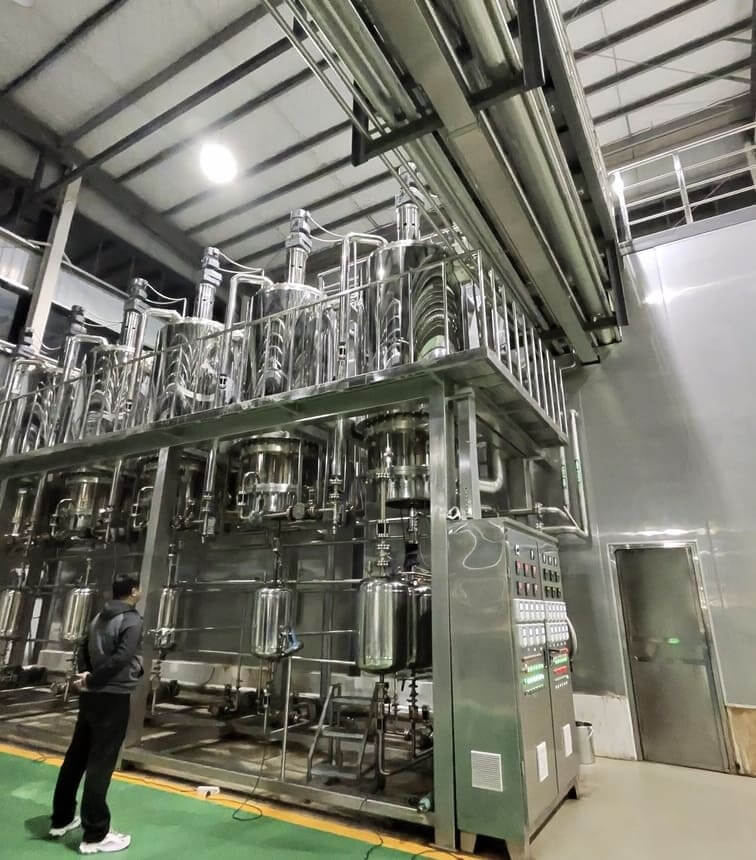
In short, we start from your target product specs and yields, work backwards through market, regulatory and quality requirements like the GOED Voluntary Monograph and IFOS certification, map those onto a robust process route (refining, concentration, purification, blending), and then co-engineer an equipment production solution that’s technically sound, economically defensible, and upgrade-ready for future Omega-3 product demands.
What Output Concentration will Get from Our Fish Oil Omega-3 Enrichment Concentration Line
Simply speaking, with the right fatty acids processing strategy, our lines routinely deliver basic, mid-, high-, and ultra-high concentrates (≈30-60–95% EPA+DHA), and—with chromatography—near-pure EPA-EE or DHA-EE at ≈95–99.7%. Your exact number depends on feed GC, route (EE or rTG), stage count, and polishing steps.
Prove It, Then Scale It: Our Sample Testing Service for Solvent Dehydration
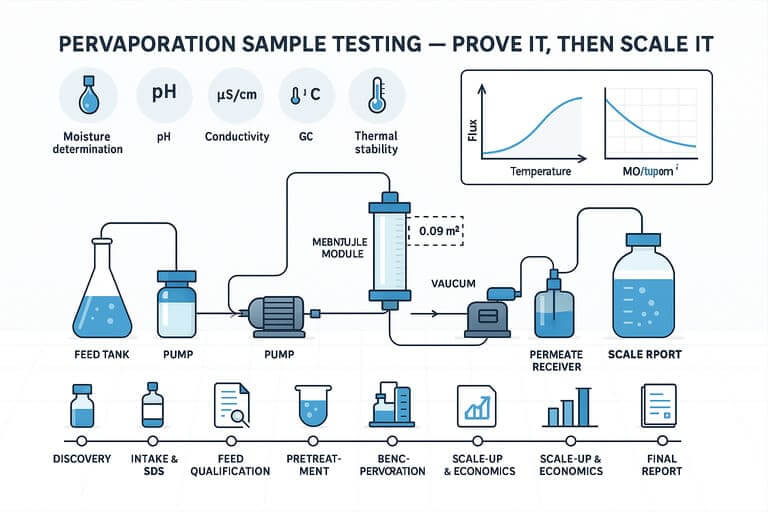
When the stakes are high—tight specs, tight budgets, tight timelines—the smartest move is to test before you invest. Uncertainties around feed quality, fouling risk, and real-world flux make budgeting risky and schedules fragile. The problem intensifies when each solvent behaves differently; the stakes rise, and so does the chance of rework. Agitation: poor feed windows […]