
Marine Fish Oil GC Testing: Optimize Production Efficiency
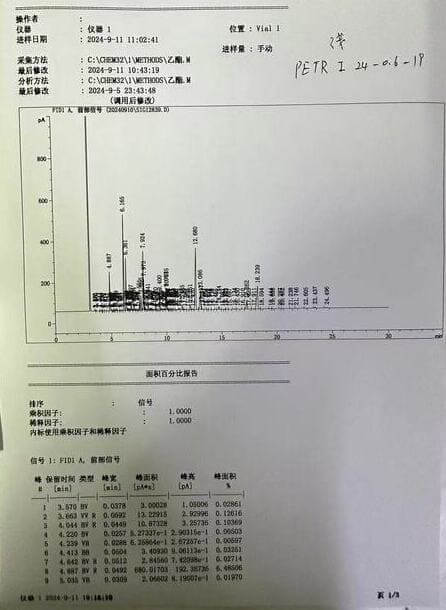
Gas Chromatography (GC) testing analyzes marine fish oil samples to measure critical metrics like EPA/DHA content, contaminants, and fatty acid profiles. This data helps manufacturers refine, concentrate, and purify fish oil more efficiently—saving costs and ensuring quality. Precision: Avoid guesswork in refining with exact EPA/DHA measurements.
Compliance: Meet regulatory standards for purity and labeling claims.
Efficiency: Identify process gaps (e.g., oxidation, yield loss) early.
Two Decades of Excellence: Pioneering High-Purity Omega-3 Solutions for Global Health
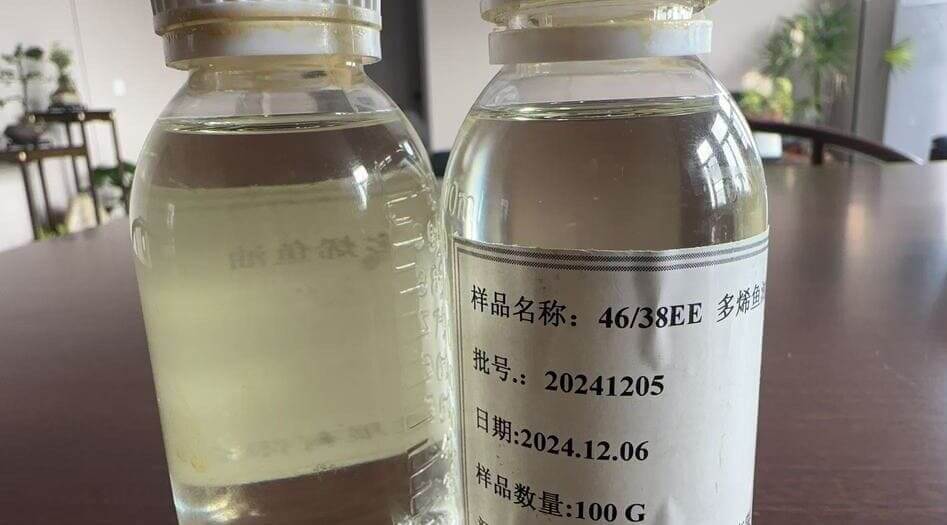
For decades, fish oil processing was a game of compromises. Outdated gear meant wasted oil, sky-high energy bills, and quality that swung like a pendulum. But here’s the truth: Your machinery isn’t just equipment—it’s your competitive edge. Legacy machines bleed money. But modern tech? It’s a profit multiplier. Innovation isn’t just about profit—it’s responsibility. The future belongs to those who innovate. Machine innovation isn’t optional—it’s the bridge between survival and market leadership.
The Quest for Ultra-Pure Omega-3s: Why Is Achieving 90% EPA/DHA Concentrates So Challenging?
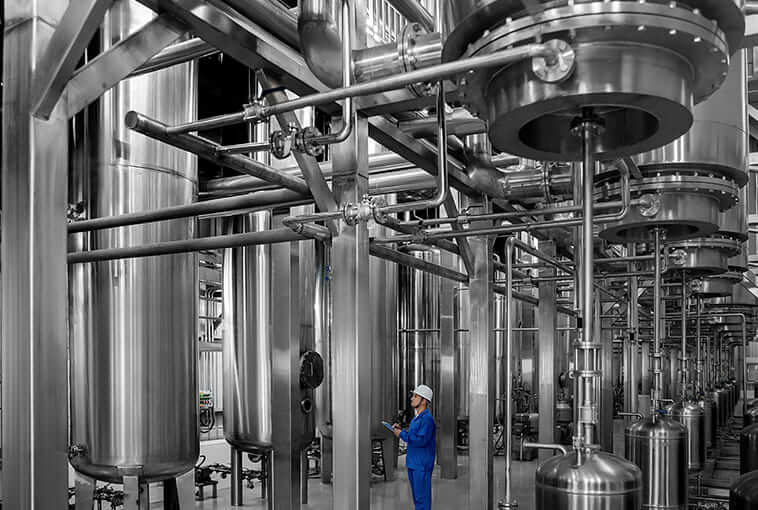
Producing ultra-pure Omega-3 concentrates with 90% EPA/DHA purity is a formidable challenge, requiring precision at every step—from sourcing high-quality raw materials to mastering complex purification techniques. In this post we dive into the intricacies of this process, exploring obstacles like raw material variability, advanced refining demands, and stringent quality control. At Greatwall Process and Control, we’ve overcome these hurdles with innovative solutions, leveraging proprietary technology, expert partnerships, and cutting-edge methods such as high-efficiency short path molecular distillation and preparative high-pressure liquid chromatography. Our dedication to excellence ensures Omega-3 concentrates that set new benchmarks for purity and potency. Curious to learn more? Join us in pushing the boundaries of Omega-3 innovation—Send a sample or explore tailored solutions today to see the difference for yourself.
All You Need to Know About SPDU for Fish Oil Concentration
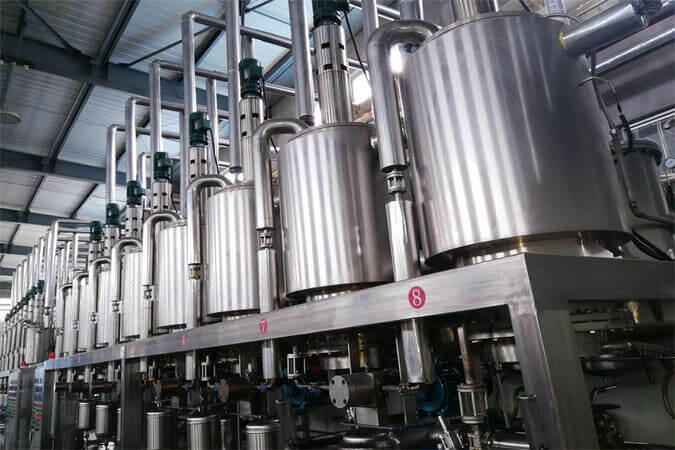
The separation of molecular distillation is based on the difference between the average molecular free range of different components, which is proportional to the distillation temperature (thermodynamic temperature), but it is inversely proportional to the distillation pressure and the average diameter of the molecules squared.
The smaller molecular weight fatty acid ethyl ester has smaller molecular average diameter at the same temperature and pressure condition, with a larger molecular free range, and thus more easily “Escape” from the heating liquid surface by the condenser capture, and ultimately become the “light-phase” component of molecular distillation, other larger molecular weight fatty acid ethyl esters (such as EPA ethyl ester, DHA ethyl ester) is more likely to become the “heavy-phase” component of molecular distillation.
How to Achieve the Optimal Working Mechanism for Short Path Molecular Distillation Equipment?
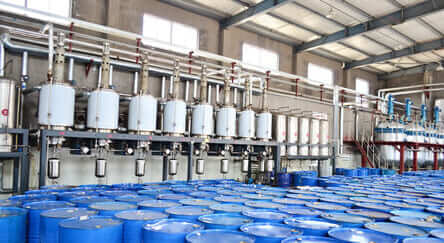
Achieving the optimal working mechanism for short path molecular distillation equipment is a balancing act. By maintaining strict control over temperature, pressure, and feed rates, and by implementing rigorous maintenance routines, you can ensure your system runs efficiently, reliably, and safely.
How to Choose A Vacuum System for Fish Oil Production?
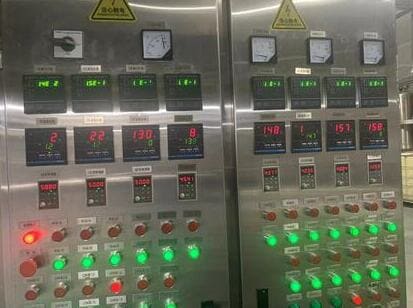
As someone deeply involved in the process and control industry, I often encounter queries about the best practices for extracting and concentrating Omega-3 fatty acids.
This process is crucial, as Omega-3s are essential for human health but notoriously delicate to handle.
The ideal vacuum condition for concentrating Omega-3 fatty acids must strike a balance between low enough to reduce the boiling point and minimize thermal degradation, yet high enough to maintain efficient distillation and separation for target yield. Typically, vacuum levels around 5 to 0.1 Pa are most effective for these purposes.
Is Two Lines of 8-Stage Short Path Distillation the Best Solution for Fish Oil Omega-3 Concentration?
Are you struggling to achieve high-purity Omega-3 concentrations in your fish oil processing?
Many manufacturers face the challenge of optimizing their distillation process to meet market demands for purity and efficiency.
With varying feed qualities and the need for precise separation, choosing the right equipment setup is crucial.
Our best solution may be exactly what you need to enhance your production capabilities and product quality.
Yes, implementing two lines of 8-stage short path distillation units is a proven and effective approach for achieving high-purity Omega-3 fractions. This setup ensures continuous operation, greater flexibility, and higher efficiency compared to single-line or batch processes. By optimizing the distillation working conditions, you can consistently produce high-quality Omega-3 products while managing costs effectively.
How Can You Improve the EPA/DHA Ratio in Your Fish Oil Concentration Process?
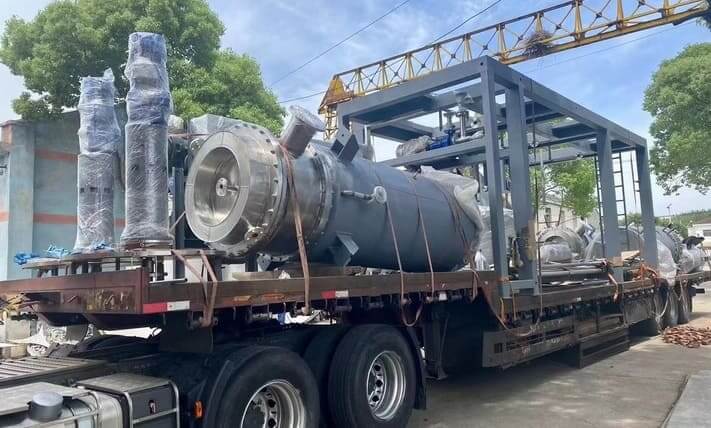
Short path distillation is a powerful technique used in the purification and concentration of fish oil fatty acids, particularly for increasing the EPA/DHA ratio.
This process allows for precise control over temperature and vacuum conditions, enabling the separation of different components based on their boiling points and molecular weights.
By fine-tuning these parameters, it’s possible to selectively concentrate EPA and DHA while minimizing the loss of other beneficial compounds.
Molecular Distillation Systems for the Concentration of Omega-3 Fatty Acids
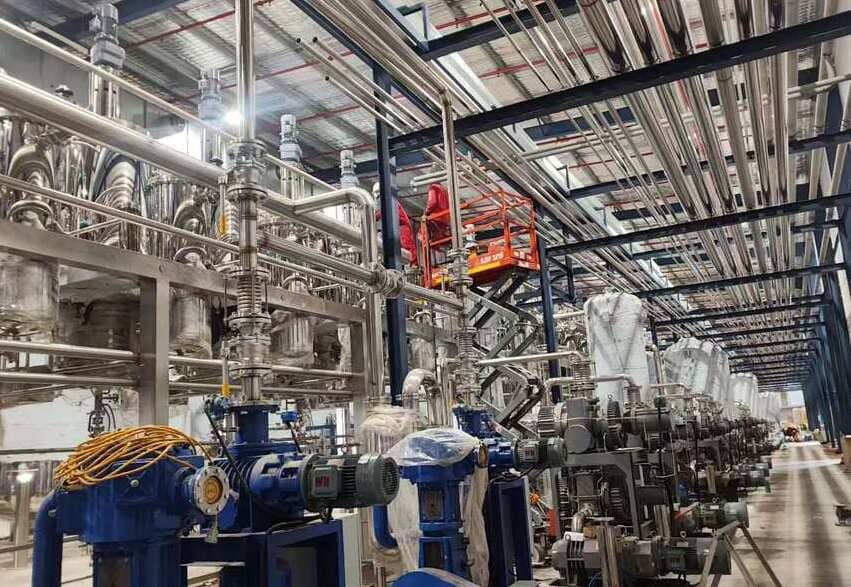
The molecular distillation process is highly efficient in removing impurities and producing high-quality omega-3 concentrates, but it requires specialized equipment and expertise. It is important to work with a reputable supplier who follows strict quality control measures to ensure the safety and purity of the final product.
the multi-stage molecular distillation process for fish oil concentration is an effective method for producing highly purified fish oil with minimal thermal degradation. The use of multiple stages allows for a high degree of separation and concentration of the desired molecules, resulting in a product that is suitable for a variety of applications, such as nutritional supplements and pharmaceuticals.
Fish Oil Omega-3 Concentration And Refinement Process
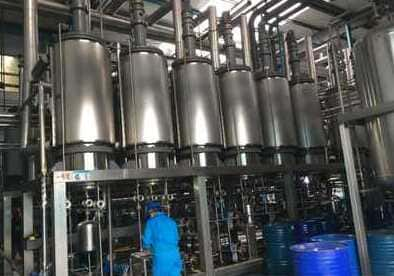
The concentration and refinement process of fish oil ester has been applied to many fish species since 2000, and they are fundamental technologies to ensure high content and purity of Omega-3 ingredient production. This article will introduce highly efficient process technologies and equipment that have been used for Omega-3 concentration and refinement.
The concentration and refinement process for fish oil omega-3 involves several steps: Harvesting and Extraction, Refining Processes, Concentration.