
Single-Pass Molecular Distillation of Fish Oil Ethyl Esters: What 25 Tons/Day Actually Looks Like
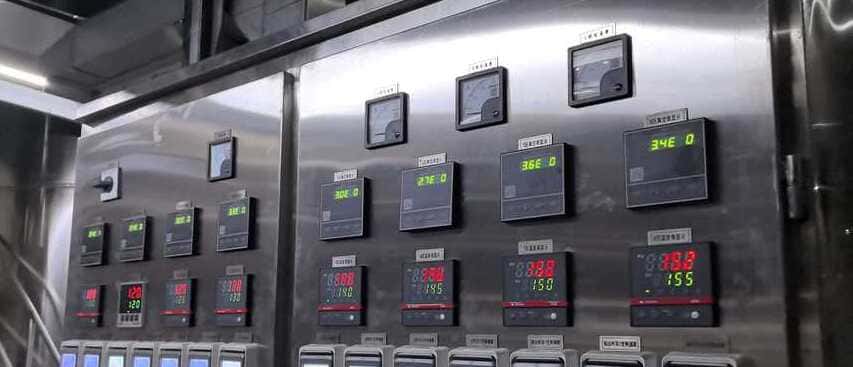
Single-pass short path molecular distillation of fish oil ethyl esters is not a magic bullet—it’s a highly efficient, high-recovery pre-concentration tool. 25 t/d is a sweet spot. At this industrial scale, which has been demonstrated to be most commercially cost-effective production line, you’re producing 8+ tonnes per day of enriched fraction.
The Strategic Blueprint for Yielding 68%+ Omega-3 Enrichment Plants
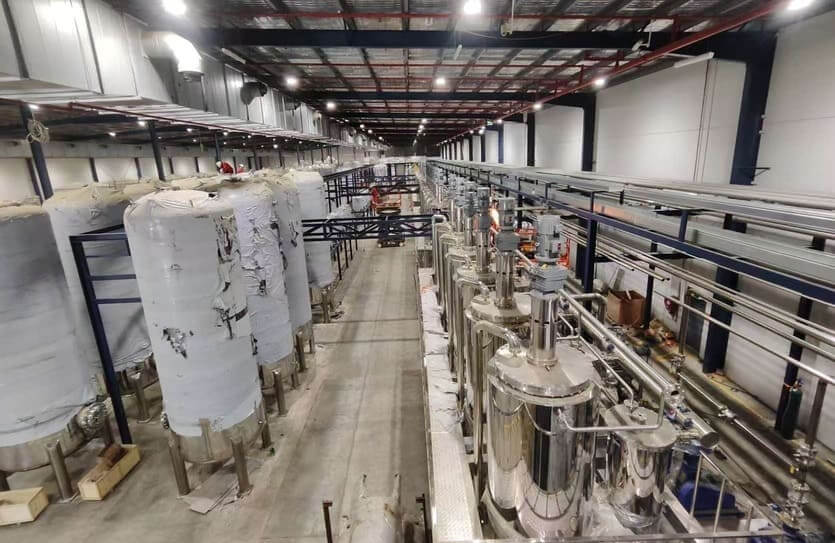
Achieving consistent enrichment levels of up to 75% EPA and DHA while yielding bioactive ingredients of 68% and beyond requires systematic project planning, experienced process practical expertise, and in favor of a rigorous “Basic Engineering Package” (BEP)
Continuous Multi-Stage (8–10 Stages) have been optimized and practised in past decades to ensure high efficiency and productability in large scale production plants.
The most economical foundation for the co-production of multiple product fractions (e.g., 50/10, 40/20, 36/24, 25/35, 10/40 and 33/22) simultaneously.
Beyond the Boiling Point: The Industrial Power of Molecular Distillation
Innovator’s Note: By shortening the heating time to mere seconds, we drastically lower the probability of thermal decomposition, ensuring high efficiency without compromising material integrity.
Strategic Insight: The physical gap between the evaporator and condenser is a precisely engineered distance based on the calculated molecular motion of the target substance.
Innovator’s Note: This specific pumping sequence is not just about reaching depth; it is designed to maximize the service life of high-performance pumps by ensuring they only operate within their optimal pressure regimes.
5 Surprising Insights from the Frontier of Fish Oil Omega-3 Innovation
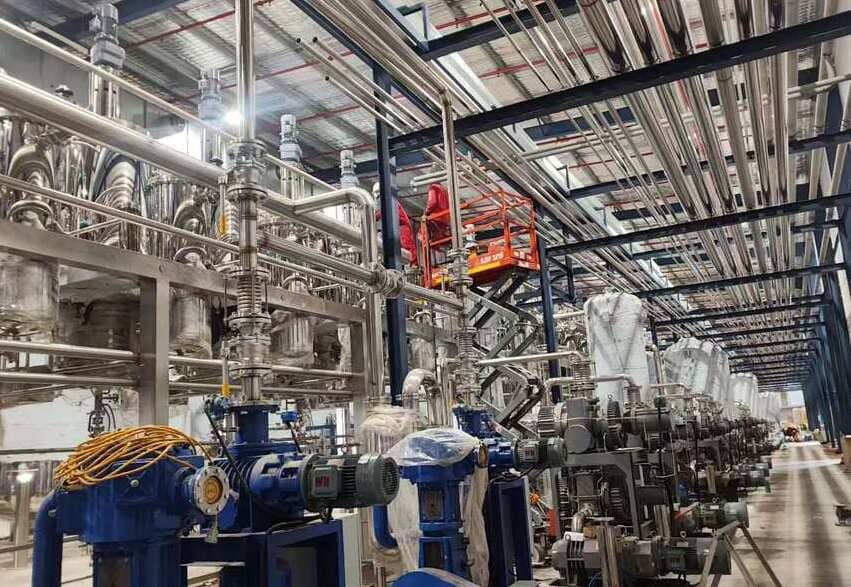
we see a fundamental truth of biotechnology: the quality of the final product is a direct function of the discipline applied to the feedstock.
By addressing “the work before the work,” our experienced engineers ensure the system remains protected, yielding a feedstock pure enough for the high-intensity stages to follow.
Restoring Efficiency and Securing the Future of Omega-3 Distillation
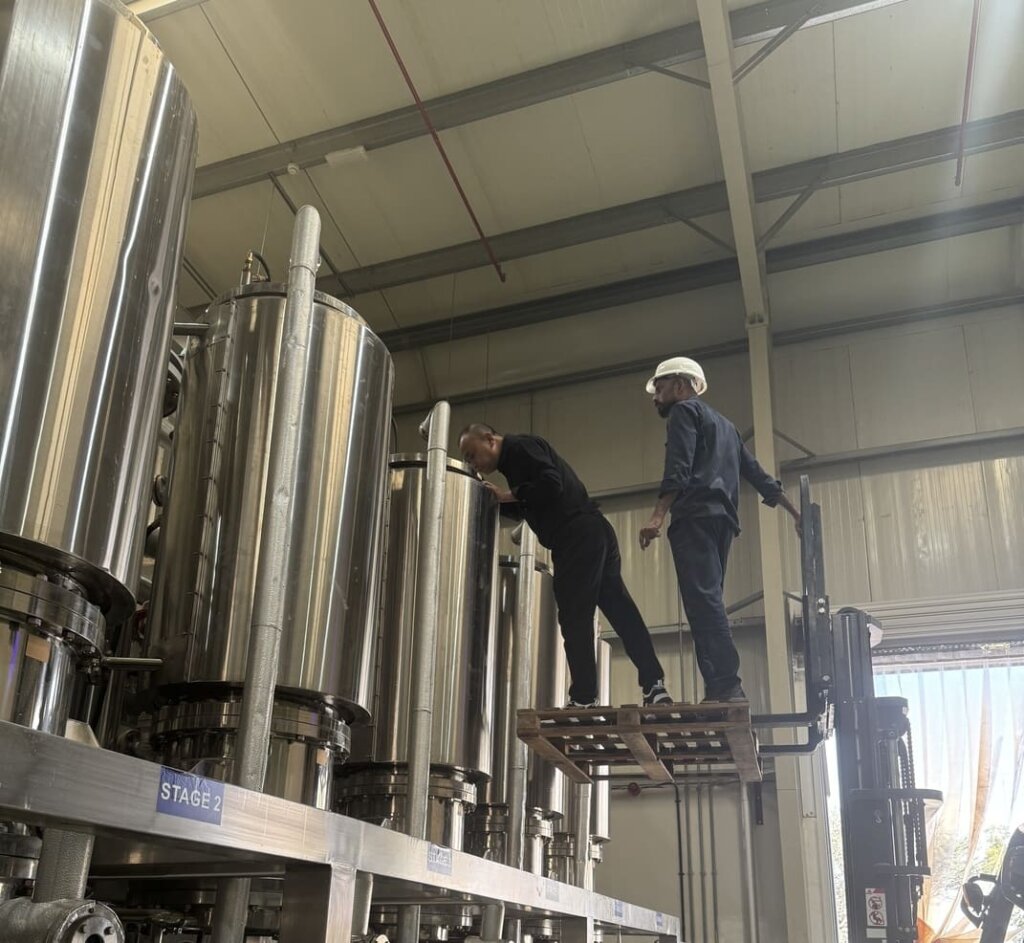
The real challenge—and the real cost competitive cutting edge know-how—lies in maintaining peak operational efficiency over years of continuous service.
Beyond Fabrication: The Dedication Behind Delivering Complex Process Equipment

Why do the workers spend hours reinforcing a crate that is already built?
Because they possess a “Custodian Mindset.”
To a process scientist, a Distillation Column is a vessel for separation.
To our loading team, that 3.3-meter-tall crate is a fragile object that demands respect.
Turning Complex Project Plans into a Solid Partnership: How We Work with Product Targeted Omega-3 Projects
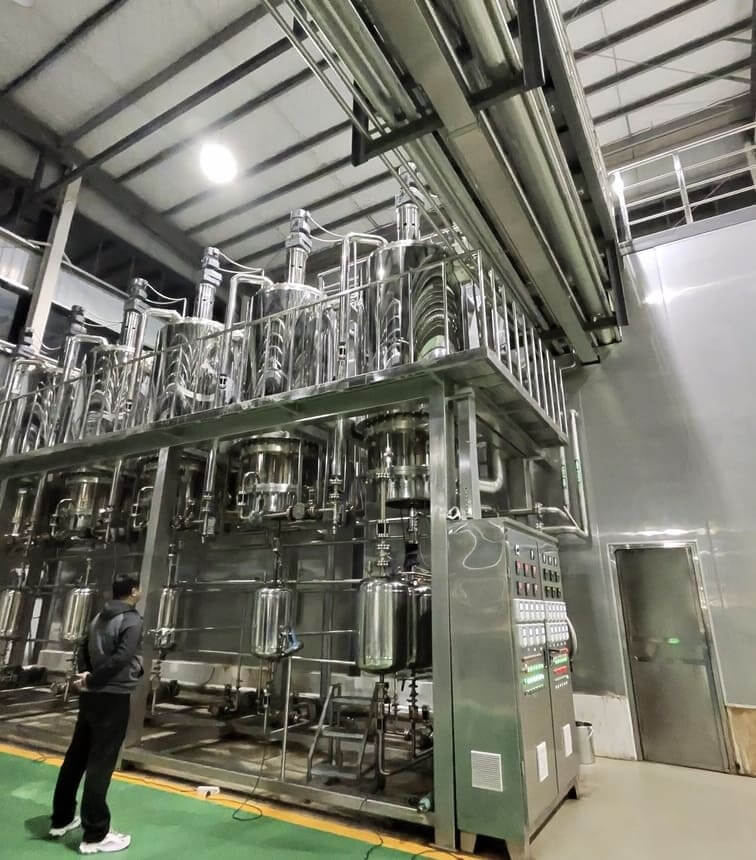
In short, we start from your target product specs and yields, work backwards through market, regulatory and quality requirements like the GOED Voluntary Monograph and IFOS certification, map those onto a robust process route (refining, concentration, purification, blending), and then co-engineer an equipment production solution that’s technically sound, economically defensible, and upgrade-ready for future Omega-3 product demands.
What Output Concentration will Get from Our Fish Oil Omega-3 Enrichment Concentration Line
Simply speaking, with the right fatty acids processing strategy, our lines routinely deliver basic, mid-, high-, and ultra-high concentrates (≈30-60–95% EPA+DHA), and—with chromatography—near-pure EPA-EE or DHA-EE at ≈95–99.7%. Your exact number depends on feed GC, route (EE or rTG), stage count, and polishing steps.
The Quest for Ultra-Pure Omega-3s: Why Is Achieving 90% EPA/DHA Concentrates So Challenging?
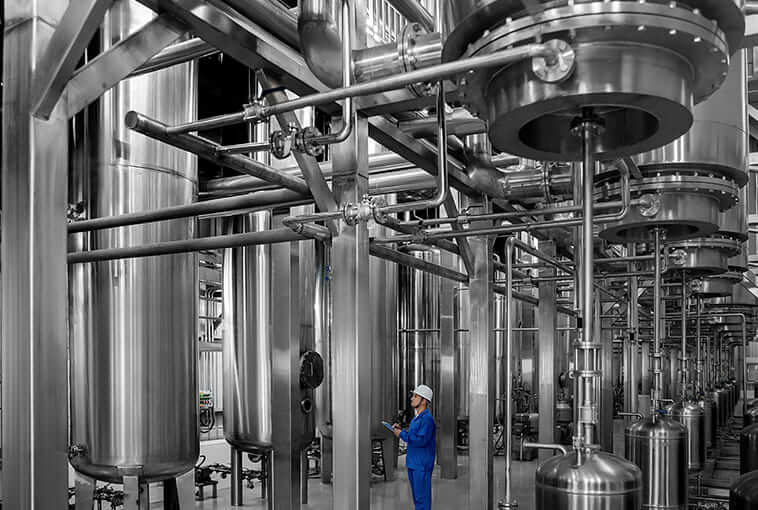
Producing ultra-pure Omega-3 concentrates with 90% EPA/DHA purity is a formidable challenge, requiring precision at every step—from sourcing high-quality raw materials to mastering complex purification techniques. In this post we dive into the intricacies of this process, exploring obstacles like raw material variability, advanced refining demands, and stringent quality control. At Greatwall Process and Control, we’ve overcome these hurdles with innovative solutions, leveraging proprietary technology, expert partnerships, and cutting-edge methods such as high-efficiency short path molecular distillation and preparative high-pressure liquid chromatography. Our dedication to excellence ensures Omega-3 concentrates that set new benchmarks for purity and potency. Curious to learn more? Join us in pushing the boundaries of Omega-3 innovation—Send a sample or explore tailored solutions today to see the difference for yourself.
All You Need to Know About SPDU for Fish Oil Concentration
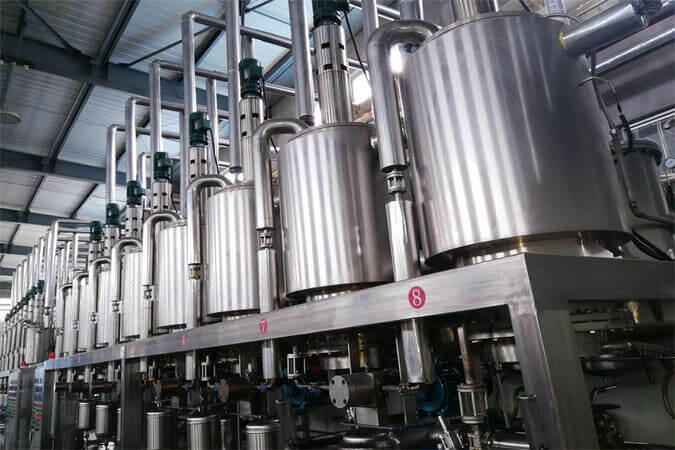
The separation of molecular distillation is based on the difference between the average molecular free range of different components, which is proportional to the distillation temperature (thermodynamic temperature), but it is inversely proportional to the distillation pressure and the average diameter of the molecules squared.
The smaller molecular weight fatty acid ethyl ester has smaller molecular average diameter at the same temperature and pressure condition, with a larger molecular free range, and thus more easily “Escape” from the heating liquid surface by the condenser capture, and ultimately become the “light-phase” component of molecular distillation, other larger molecular weight fatty acid ethyl esters (such as EPA ethyl ester, DHA ethyl ester) is more likely to become the “heavy-phase” component of molecular distillation.