
Single-Pass Molecular Distillation of Fish Oil Ethyl Esters: What 25 Tons/Day Actually Looks Like
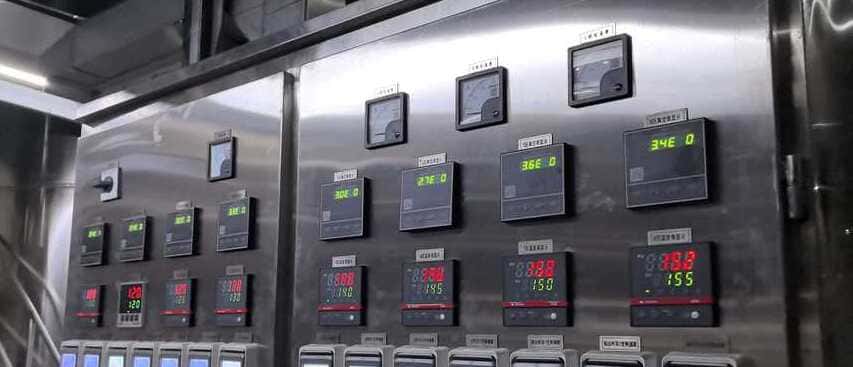
Single-pass short path molecular distillation of fish oil ethyl esters is not a magic bullet—it’s a highly efficient, high-recovery pre-concentration tool. 25 t/d is a sweet spot. At this industrial scale, which has been demonstrated to be most commercially cost-effective production line, you’re producing 8+ tonnes per day of enriched fraction.
5 Surprising Insights from the Frontier of Fish Oil Omega-3 Innovation
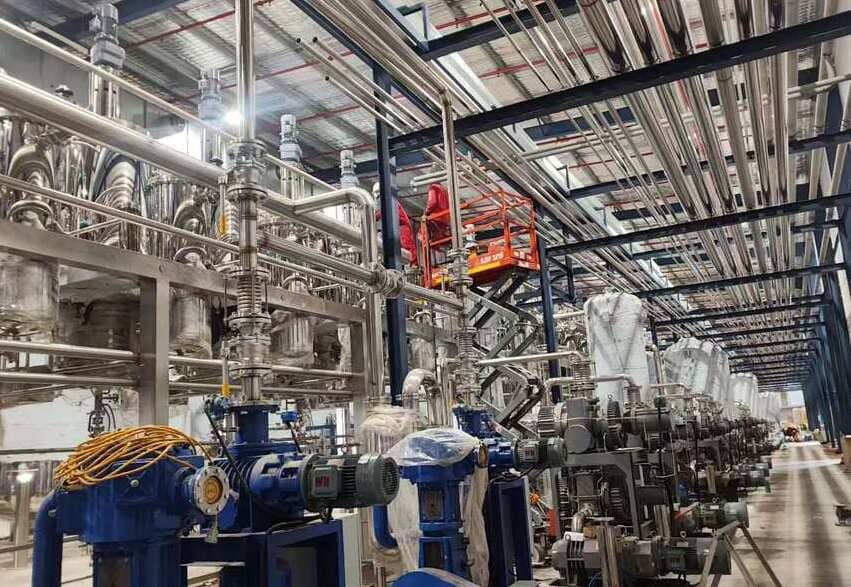
we see a fundamental truth of biotechnology: the quality of the final product is a direct function of the discipline applied to the feedstock.
By addressing “the work before the work,” our experienced engineers ensure the system remains protected, yielding a feedstock pure enough for the high-intensity stages to follow.
Beyond Fabrication: The Dedication Behind Delivering Complex Process Equipment

Why do the workers spend hours reinforcing a crate that is already built?
Because they possess a “Custodian Mindset.”
To a process scientist, a Distillation Column is a vessel for separation.
To our loading team, that 3.3-meter-tall crate is a fragile object that demands respect.
Turning Complex Project Plans into a Solid Partnership: How We Work with Product Targeted Omega-3 Projects
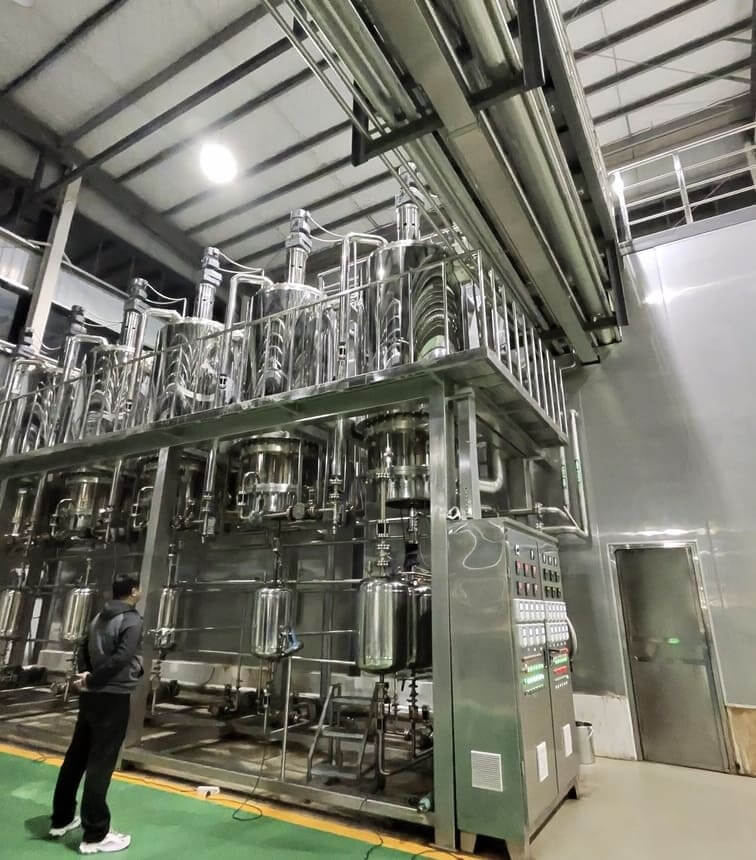
In short, we start from your target product specs and yields, work backwards through market, regulatory and quality requirements like the GOED Voluntary Monograph and IFOS certification, map those onto a robust process route (refining, concentration, purification, blending), and then co-engineer an equipment production solution that’s technically sound, economically defensible, and upgrade-ready for future Omega-3 product demands.
What Output Concentration will Get from Our Fish Oil Omega-3 Enrichment Concentration Line
Simply speaking, with the right fatty acids processing strategy, our lines routinely deliver basic, mid-, high-, and ultra-high concentrates (≈30-60–95% EPA+DHA), and—with chromatography—near-pure EPA-EE or DHA-EE at ≈95–99.7%. Your exact number depends on feed GC, route (EE or rTG), stage count, and polishing steps.
All You Need to Know About SPDU for Fish Oil Concentration
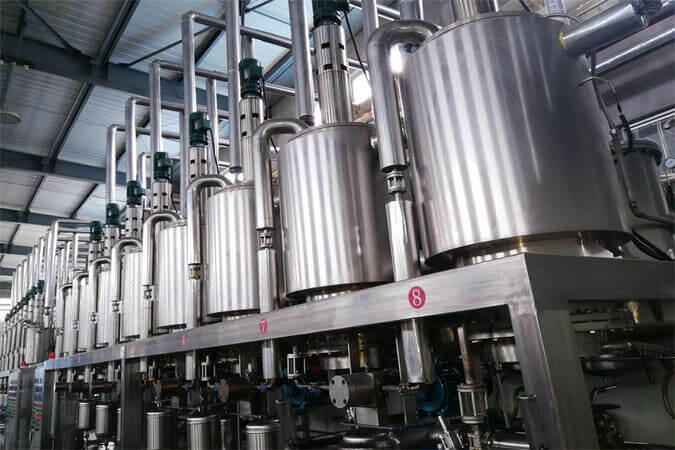
The separation of molecular distillation is based on the difference between the average molecular free range of different components, which is proportional to the distillation temperature (thermodynamic temperature), but it is inversely proportional to the distillation pressure and the average diameter of the molecules squared.
The smaller molecular weight fatty acid ethyl ester has smaller molecular average diameter at the same temperature and pressure condition, with a larger molecular free range, and thus more easily “Escape” from the heating liquid surface by the condenser capture, and ultimately become the “light-phase” component of molecular distillation, other larger molecular weight fatty acid ethyl esters (such as EPA ethyl ester, DHA ethyl ester) is more likely to become the “heavy-phase” component of molecular distillation.
How to Achieve the Optimal Working Mechanism for Short Path Molecular Distillation Equipment?
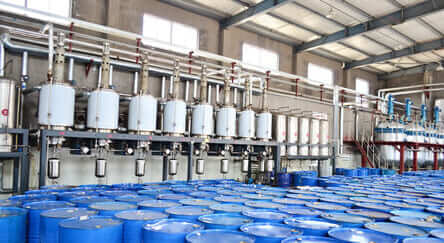
Achieving the optimal working mechanism for short path molecular distillation equipment is a balancing act. By maintaining strict control over temperature, pressure, and feed rates, and by implementing rigorous maintenance routines, you can ensure your system runs efficiently, reliably, and safely.
Is Two Lines of 8-Stage Short Path Distillation the Best Solution for Fish Oil Omega-3 Concentration?
Are you struggling to achieve high-purity Omega-3 concentrations in your fish oil processing?
Many manufacturers face the challenge of optimizing their distillation process to meet market demands for purity and efficiency.
With varying feed qualities and the need for precise separation, choosing the right equipment setup is crucial.
Our best solution may be exactly what you need to enhance your production capabilities and product quality.
Yes, implementing two lines of 8-stage short path distillation units is a proven and effective approach for achieving high-purity Omega-3 fractions. This setup ensures continuous operation, greater flexibility, and higher efficiency compared to single-line or batch processes. By optimizing the distillation working conditions, you can consistently produce high-quality Omega-3 products while managing costs effectively.
How to Select a Precise Solution for Short Path Distillation Unit for Fish Oil Concentration
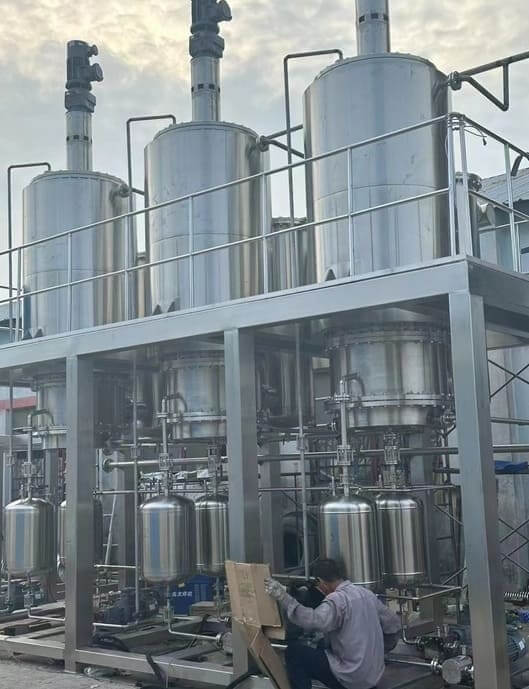
At the stage of fatty acid concentration process, the refined fish oil undergoes short path distillation, a process that operates under high vacuum and minimal heat to prevent oxidation and degradation of the Omega-3 fatty acids.
This technique is highly effective in separating and removing low molecular weight contaminants (e.g., PCBs, dioxins, plastisizers, and heavy metals) while concentrating the EPA and DHA content.
High-performance equipment will allow for fine-tuning these parameters to target the specific boiling points of POPs without degrading the quality of the Omega-3 fatty acids.
Molecular Distillation Systems for the Concentration of Omega-3 Fatty Acids
The molecular distillation process is highly efficient in removing impurities and producing high-quality omega-3 concentrates, but it requires specialized equipment and expertise. It is important to work with a reputable supplier who follows strict quality control measures to ensure the safety and purity of the final product.
the multi-stage molecular distillation process for fish oil concentration is an effective method for producing highly purified fish oil with minimal thermal degradation. The use of multiple stages allows for a high degree of separation and concentration of the desired molecules, resulting in a product that is suitable for a variety of applications, such as nutritional supplements and pharmaceuticals.