
From Bench Concept to Verified Process: A Complete Modular Subcritical Water Extraction System for Lab & Pilot-Scale Testing
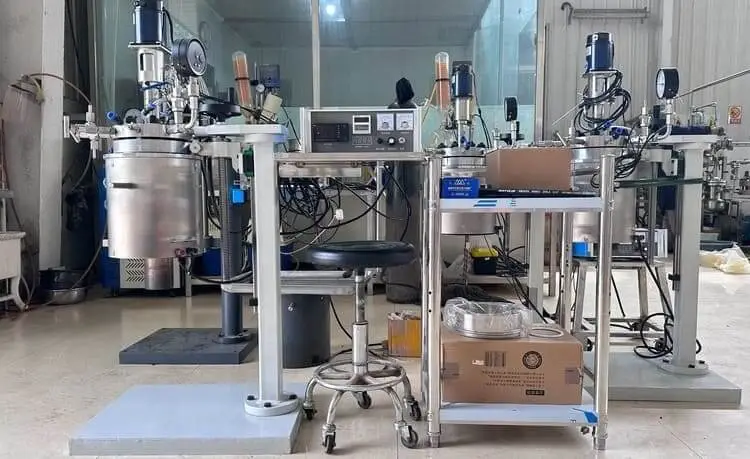
How a fully engineered, SS316L-built modular extraction platform helps R&D teams de-risk process development before commercial scale-up.
Is Your Factory Burning Money? Why Solvent Recycling is the ROI Miracle You’ve Overlooked
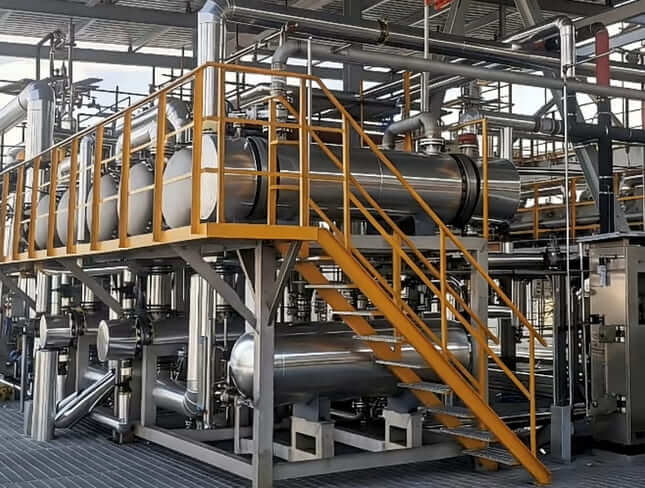
The transition from a “linear waste” model to a “circular process” is no longer a luxury—it is a requirement for competitive industrial operations. By integrating zeolite membrane technology, you stop viewing solvents as an expense and start managing them as a strategic asset.
Is your current waste management strategy optimized for maximum ROI, or are you still paying to dispose of your own assets?
The emergence of Zeolite Membrane Pervaporation (PV) technology represents a fundamental shift from “Waste Management” to Strategic Asset Recovery. By utilizing molecular sieving at the molecular level, manufacturers can transform a “waste” stream into a high-purity resource, reclaiming both the solvent and the capital previously lost to the linear disposal model.
Restoring Efficiency and Securing the Future of Omega-3 Distillation
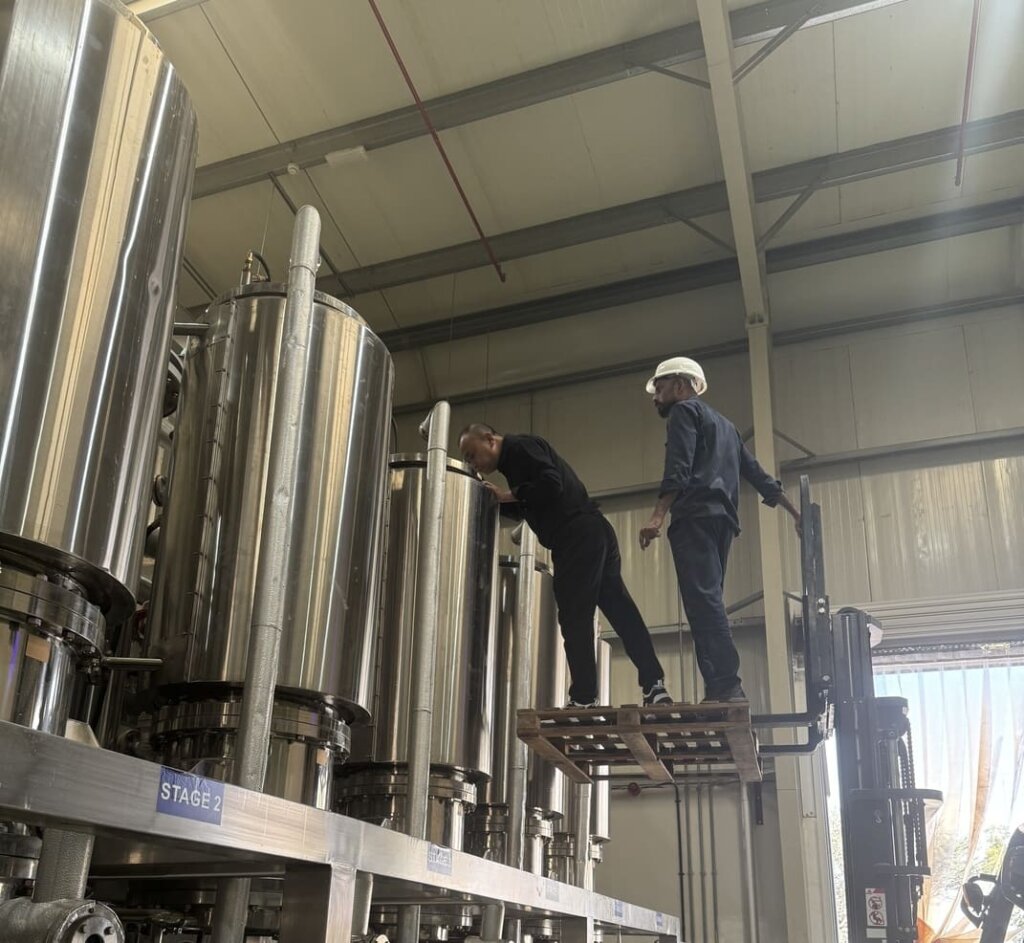
The real challenge—and the real cost competitive cutting edge know-how—lies in maintaining peak operational efficiency over years of continuous service.
Beyond Fabrication: The Dedication Behind Delivering Complex Process Equipment
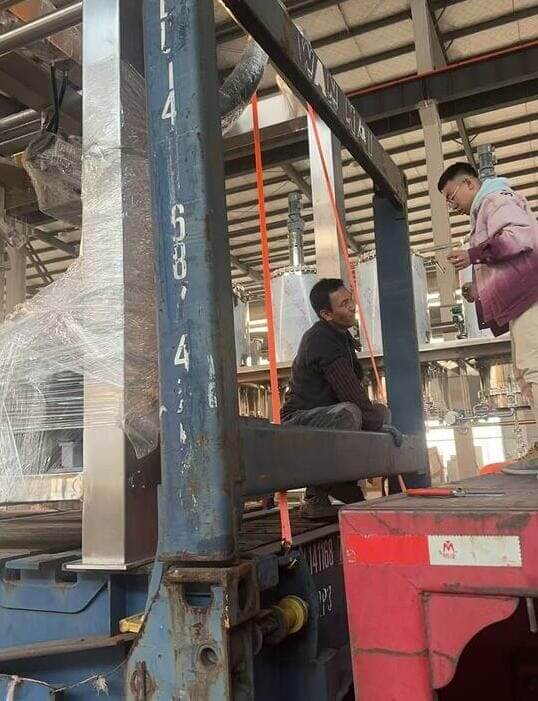
Why do the workers spend hours reinforcing a crate that is already built?
Because they possess a “Custodian Mindset.”
To a process scientist, a Distillation Column is a vessel for separation.
To our loading team, that 3.3-meter-tall crate is a fragile object that demands respect.
Turning Complex Project Plans into a Solid Partnership: How We Work with Product Targeted Omega-3 Projects
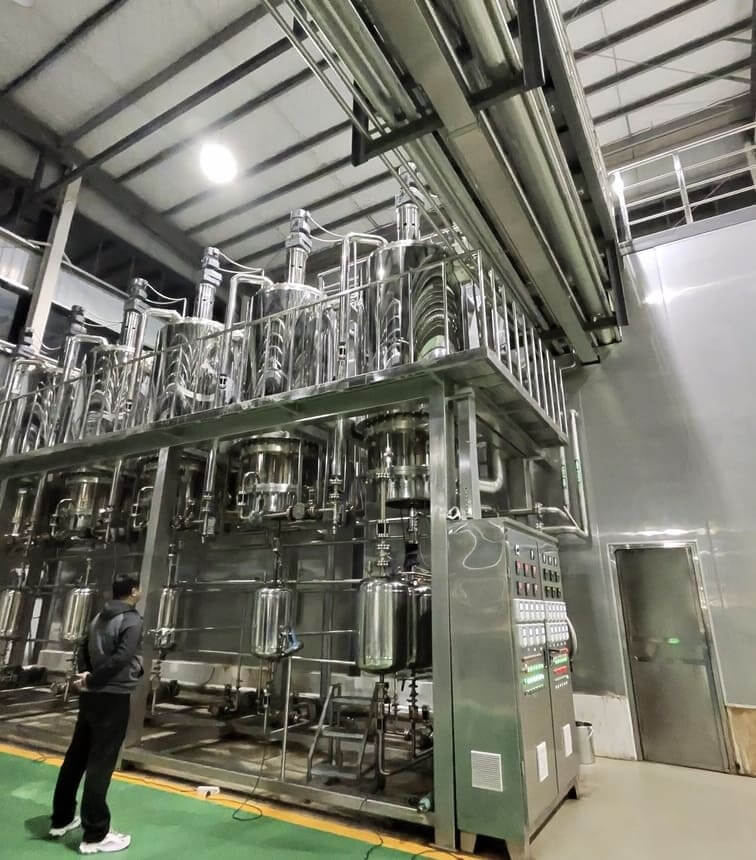
In short, we start from your target product specs and yields, work backwards through market, regulatory and quality requirements like the GOED Voluntary Monograph and IFOS certification, map those onto a robust process route (refining, concentration, purification, blending), and then co-engineer an equipment production solution that’s technically sound, economically defensible, and upgrade-ready for future Omega-3 product demands.
All You Need to Know About SPDU for Fish Oil Concentration
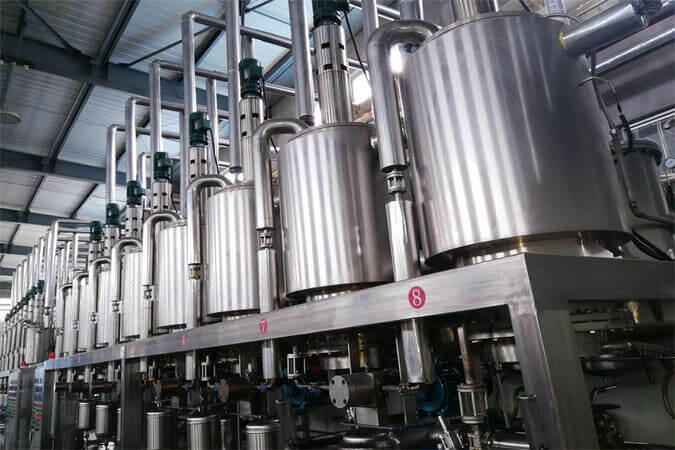
The separation of molecular distillation is based on the difference between the average molecular free range of different components, which is proportional to the distillation temperature (thermodynamic temperature), but it is inversely proportional to the distillation pressure and the average diameter of the molecules squared.
The smaller molecular weight fatty acid ethyl ester has smaller molecular average diameter at the same temperature and pressure condition, with a larger molecular free range, and thus more easily “Escape” from the heating liquid surface by the condenser capture, and ultimately become the “light-phase” component of molecular distillation, other larger molecular weight fatty acid ethyl esters (such as EPA ethyl ester, DHA ethyl ester) is more likely to become the “heavy-phase” component of molecular distillation.
How to Choose A Vacuum System for Fish Oil Production?
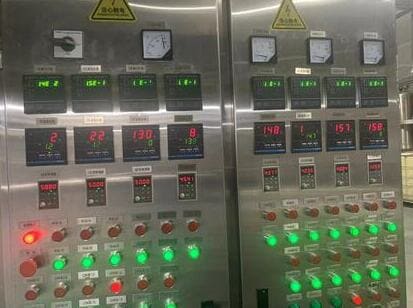
As someone deeply involved in the process and control industry, I often encounter queries about the best practices for extracting and concentrating Omega-3 fatty acids.
This process is crucial, as Omega-3s are essential for human health but notoriously delicate to handle.
The ideal vacuum condition for concentrating Omega-3 fatty acids must strike a balance between low enough to reduce the boiling point and minimize thermal degradation, yet high enough to maintain efficient distillation and separation for target yield. Typically, vacuum levels around 5 to 0.1 Pa are most effective for these purposes.
Optimizing Omega-3 Concentration in Fish Oil: Best Practices for Short Path Molecular Distillation
By controlling temperature, minimizing oxidation, and ensuring optimal equipment operation, producers can achieve a superior product that stands out in the market. Stay tuned to our blog for more insights into fish oil processing and the latest trends in the industry.
Modular Equipment: The Future of Process Engineering?

Modular equipment represents the cutting edge of industrial process solutions. It’s about bringing flexibility, efficiency, and innovation right to the heart of production lines. Think of it as building blocks for the industrial world, where each block is a self-contained, pre-fabricated unit that can be easily integrated into a larger system.
Modular equipment refers to machinery or systems designed in self-contained units or modules. These modules can be independently created and then integrated into larger systems. This design approach allows for flexibility in configuration, scalability, and often simplifies manufacturing, maintenance, and upgrading processes.
Molecular Distillation Systems for the Concentration of Omega-3 Fatty Acids
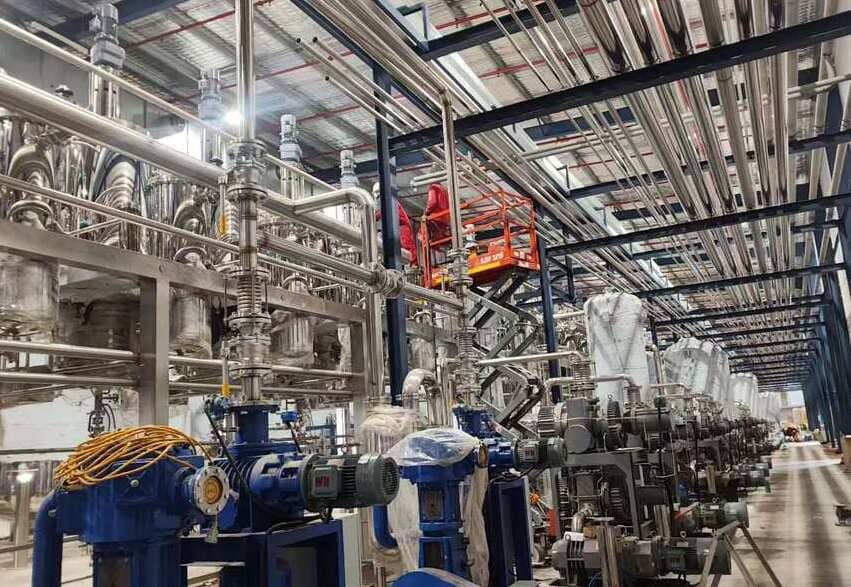
The molecular distillation process is highly efficient in removing impurities and producing high-quality omega-3 concentrates, but it requires specialized equipment and expertise. It is important to work with a reputable supplier who follows strict quality control measures to ensure the safety and purity of the final product.
the multi-stage molecular distillation process for fish oil concentration is an effective method for producing highly purified fish oil with minimal thermal degradation. The use of multiple stages allows for a high degree of separation and concentration of the desired molecules, resulting in a product that is suitable for a variety of applications, such as nutritional supplements and pharmaceuticals.