International Technology Knowledge Transfer for Process Equipment
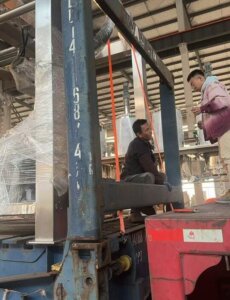
How do we make it work across borders? Moving an equipment production line across borders is hard. Manpower skills differ. Utilities vary. Material costs swing.

How do we make it work across borders? Moving an equipment production line across borders is hard. Manpower skills differ. Utilities vary. Material costs swing.

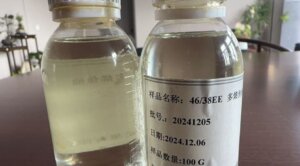
For decades, fish oil processing was a game of compromises. Outdated gear meant wasted oil, sky-high energy bills, and quality that swung like a pendulum. But here’s the truth: Your machinery isn’t just equipment—it’s your competitive edge. Legacy machines bleed money. But modern tech? It’s a profit multiplier. Innovation isn’t just about profit—it’s responsibility. The future belongs to those who innovate. Machine innovation isn’t optional—it’s the bridge between survival and market leadership.

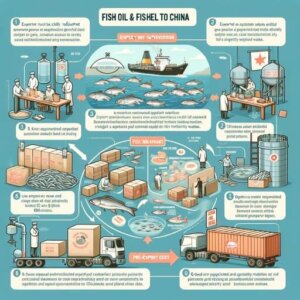
China’s fish oil industry primarily relies on imports of crude fish oil and fish meal. According to the General Administration of Customs of China, in 2021, China imported 86,100 tons of fish oil products, approximately 33.5% increase year-on-year. Meanwhile, exports decreased by 16.91% to 22,600 tons. Given this trend and the escalating fish oil prices, it’s pivotal for exporters to understand the nuanced process of exporting marine fish oil and fish meal to China.

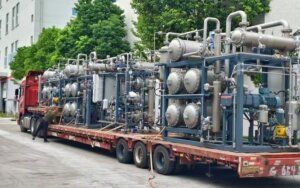
Overall, importing chemical and pharmaceutical equipment from China requires careful planning, due diligence, and attention to detail to ensure that the equipment is safe, reliable, and meets regulatory requirements. Working with a reputable supplier and logistics provider, and understanding the regulatory and customs requirements can help to ensure a smooth and successful import process.
We will contact you within two working days, please pay attention to the email with the suffix”@greatwallcontrol.com”